Why NeoMali Exists: Building Kenya's Ecommerce Infrastructure
M-Pesa revolutionised how Kenya sends money. NeoMali is here to revolutionise how Kenya sells. M-Pesa gave every Kenyan a virtual till number — so why are millions of sellers still closing deals via WhatsApp messages and screenshot confirmations? NeoMali is building the ecommerce infrastructure Kenya already paid for, one that makes professional online selling accessible to every entrepreneur, from Gikomba traders to Instagram boutiques.
What does M-Pesa have to do with online selling?
In 2007, M-Pesa solved a fundamental problem: moving money between people was too hard. Before M-Pesa, sending cash meant taking a bus to your village or trusting a matatu conductor with an envelope. Today, that sounds ridiculous. But sending and receiving payments for goods online feels exactly the same — screenshot confirmations, "Nimetuma" messages, and manual Till number entries that create friction and lost sales.
M-Pesa made payments invisible. NeoMali is making selling invisible. Your shop should work even when you are asleep. Your payments should arrive automatically. Your customers should complete their purchases without sending a single DM.
Why hasn't Kenyan ecommerce evolved like payments?
The answer is accessibility. M-Pesa worked because anyone with a basic phone could use it. No coding, no website, no bank account. But existing ecommerce platforms — Shopify, WooCommerce, Jumia — were built for developers or large businesses. The Kenyan digital hustler selling on Instagram cannot afford a $29 monthly platform plus custom payment integrations plus a web developer.
- M-Pesa succeeded because it was built for the Kenyan context from day one
- NeoMali is succeeding because it was built for the Kenyan seller from day one
- Both share a DNA: simplify what is complex, automate what is manual, and make it affordable for everyone
What is NeoMali building differently?
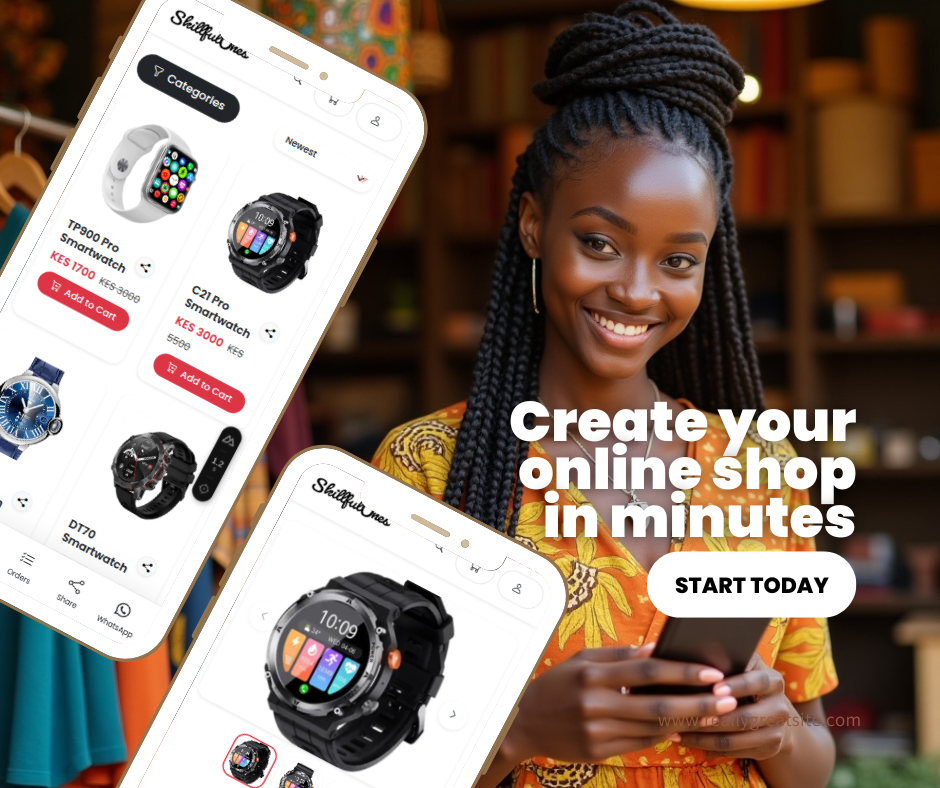
NeoMali gives every Kenyan seller one thing they have never had: a professional online storefront that takes payments automatically — no developer, no credit card, no technical skills. Just sign up, list your products, and share your store link on Instagram, WhatsApp, or TikTok.
NeoMali GO (Ksh 1,500/month, about KES 50/day) is for the digital seller who needs M-Pesa STK Push checkout, instant payouts, and SMS order alerts. It turns your phone into a 24/7 sales soldier that never sleeps.
NeoMali PRO-DUKA (Ksh 6,000/month) adds mobile POS, real-time inventory sync between physical and online shops, staff commissions tracking, and a remote dashboard for owners who cannot afford to be trapped at the counter.
Why does this matter for Kenyan businesses right now?
Kenya's digital economy is projected to grow massively, and the sellers who professionalise today will capture the market tomorrow. The sellers still running their business from WhatsApp inboxes will fall behind — not because they are less driven, but because they are spending four hours a day on what software can do in four seconds.
M-Pesa did not ask you to understand banking infrastructure. NeoMali does not ask you to understand web development. Both simply work. That is the point.
What would happen if every Kenyan seller had a NeoMali store?
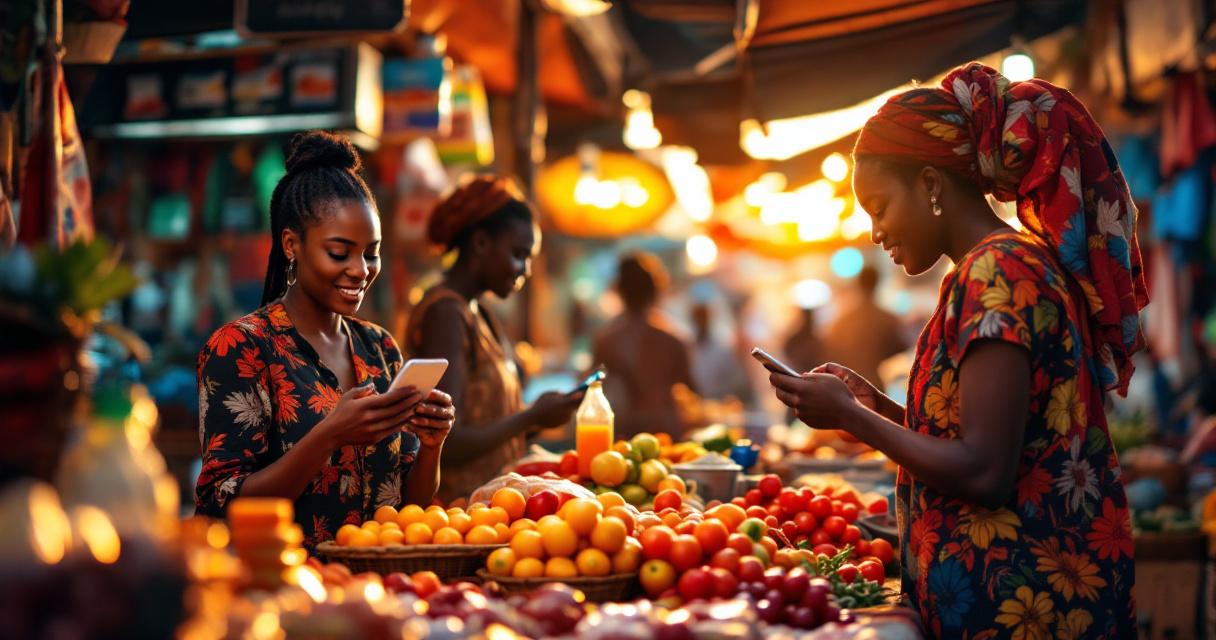
Imagine a Kenya where every duka has an online storefront alongside their physical shop. Where the Gikomba vendor selling mitumba does not lose orders at 11 PM. Where a customer discovers a product on TikTok and completes their purchase with a single M-Pesa prompt on their phone — no screenshots, no Till numbers typed from memory, no waiting.
That is not a vision. That is NeoMali today. The infrastructure exists. The question is whether you will build your business on it before your competitors do.