What to Say When a Customer Asks for a Discount
What to Say When a Customer Asks for a Discount
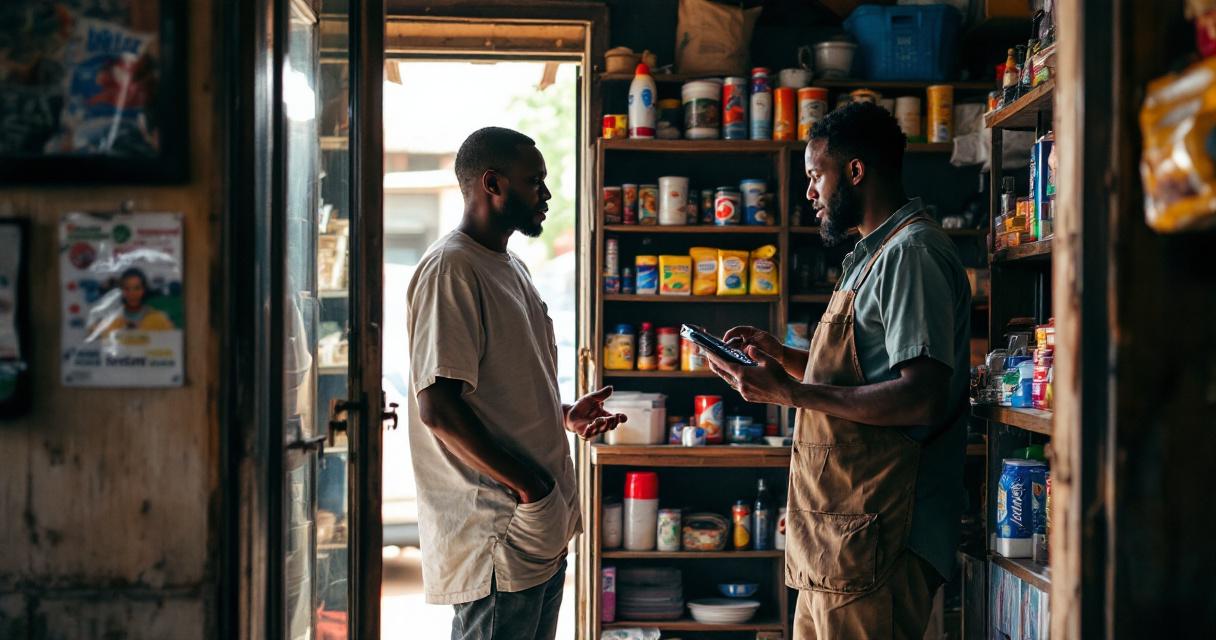
It happens every day. A customer picks up an item, examines it, looks at you, and says the words every Kenyan retailer dreads: "Umenipunguzia?"
You feel the pressure. If you say no, you might lose the sale. If you say yes too fast, you leave money on the table. Most shop owners and Instagram sellers handle this moment badly on both ends — they either give in immediately and destroy their margins, or they refuse so firmly that the customer walks.
There is a better way. Here is what actually works.
Why Most Discounts Hurt Your Business More Than You Think
Before we talk about what to say, let us be clear about what is at stake. A KSh 100 discount on a KSh 500 item means you just gave away 20% of your revenue. To make that back, you need to sell 25% more volume at the discounted price. That is a hard target to hit.
The problem is not that customers ask for discounts. That is normal, especially in Kenyan markets where haggling is expected. The problem is that most small retailers have no system for handling the request. They decide on the spot, based on mood or desperation, and end up training customers to always ask for a lower price.
A customer who gets a discount every time learns that your marked price is not your real price. They stop trusting your pricing and start negotiating every single purchase. This costs you time and money, and it never ends.
What to Say When They Ask — The Script
These responses work because they do three things: they acknowledge the customer's request, they explain why the price is what it is, and they offer a legitimate alternative that preserves your margin.
Option 1: The Value Reframe
Customer: "Boss, punguza kidogo."
You: "Nakubali ni pesa nyingi. Lakini kaa nikuoneshe kwanini bei hii ni sawa." (I agree it is a lot of money. But let me show you why this price is fair.)
Then explain one genuine quality difference. This item is original, not counterfeit. This fabric will last three years, not three months. This gadget comes with a warranty. When you reframe the conversation around value instead of price, the customer sees what they are getting, not what they are spending.
Option 2: The Bundle Offer
Customer: "Discount?"
You: "I cannot do a discount on this single item, but if you take two, I can give you KSh 200 off the total."
This works because you are not lowering your price — you are increasing the order value. The customer feels they won something, and you move more inventory. Everybody wins except your competitor who did not make the sale.
Option 3: The Small Concession
Customer: "Punguza tu."
You: "Let me tell you what I can do. I cannot go lower on the price, but I will throw in free delivery/this accessory for free."
The psychology here is important. The customer wants to feel they got a win. Giving a non-price concession costs you much less than cutting your price, but it satisfies the same emotional need. Free delivery within Nairobi, a free tote bag, a small sample — these cost you a fraction of a direct discount and keep your margins intact.
Option 4: The Firm No (With Reason)
Customer: "Discount."
You: "Hii ni last price tayari. Nimeweka bei ya chini kabisa kwa sababu napenda wateja wanunue bila stress ya kutafuta discount kila wakati." (This is already the final price. I set the lowest possible price because I want my customers to buy without the stress of negotiating every time.)
This works if you genuinely priced competitively from the start. Some customers will respect a firm answer delivered politely. If they walk, let them. A customer who only buys at a discount is not a profitable customer long-term.
What Not to Say
- "Ngoja niulize boss" (Let me ask my boss) — This undermines your authority and makes you look like an employee, not a business owner. If you are the boss, act like it.
- "Kwanza ni bei ya kawaida" (First, this is the regular price) followed immediately by a lower price — You just trained them to always negotiate.
- "Sawa, nipe hiyo" (Okay, give me whatever you have) — Letting the customer name their price gives away all your power.
- "Mimi nakupea bei ya jamaa" (I will give you the relative's price) — This signals that your normal prices are inflated. Bad for trust.
When It Actually Makes Sense to Discount
Not all discounts are bad. Here is when you should genuinely consider reducing your price:
- Clearing slow-moving stock. If an item has been sitting on your shelf for three months, the cost of holding it (space, dust, expiry) may justify a markdown.
- Bulky purchases from a regular customer. A loyal customer buying ten items deservedly gets a volume discount. This is relationship management, not price cutting.
- End of season. Fashion and seasonal goods lose value fast. A discount that moves inventory before it becomes worthless is smart business.
- Referral incentive. "Bring a friend and you both get 5% off" creates new customers without devaluing your brand.
The rule is simple: discount to move inventory or reward loyalty, not because a customer asked. If your motivation is "they might leave," do not discount. If your motivation is "this item is costing me to keep," consider it.
The Takeaway
Kenyan customers will always ask for a discount because our market culture is built on negotiation. That is not going to change. What can change is how you respond. A good response protects your margin, keeps the customer happy, and does not train them to haggle every single time.
Practice these scripts until they feel natural. The first few times will feel awkward. After a week, they will be second nature. And your bottom line will thank you.