The M-Pesa Moment for Kenyan Ecommerce Is Here — and It Looks Like NeoMali
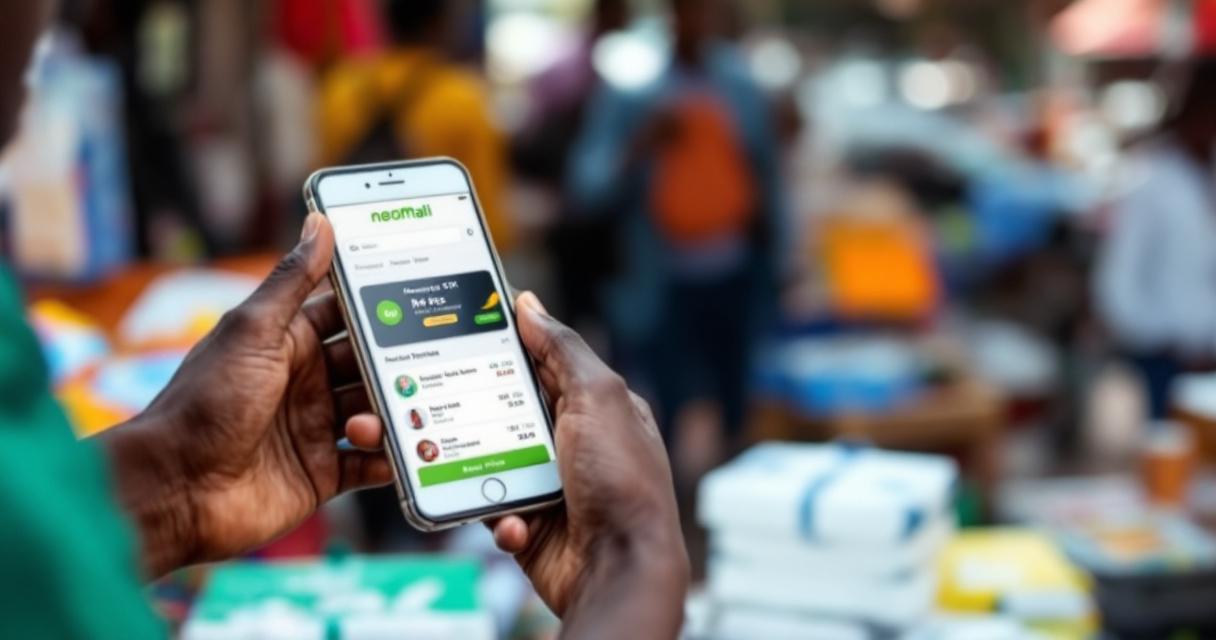
When M-Pesa launched in Kenya, most people thought mobile money was a curiosity. Today, 91% of Kenyan adults use M-Pesa. The "M-Pesa moment" — when a technology stops being niche and becomes national infrastructure — arrived quietly, then all at once. Kenyan ecommerce is living through the same inflection point right now, and the platform leading it looks a lot like NeoMali.
What M-Pesa Did for Payments, NeoMali Is Doing for Selling
M-Pesa did not try to compete with banks. It built something better suited to how Kenyans actually live — peer-to-peer transfers, no ATM required, accessible from a basic phone. The result was an adoption rate that confounded every banking analyst on the continent.
NeoMali is applying the same logic to ecommerce. While other platforms require Kenyan sellers to manually enter Till numbers, upload products one by one, and chase payment confirmation screenshots, NeoMali simply plugs into how Kenyan sellers already work — M-Pesa STK Push, WhatsApp, Instagram, TikTok — and automates everything else. No credit card needed. No technical degree required. Five minutes to set up.
This is precisely what made M-Pesa unstoppable: it met sellers where they already were.
The Numbers Kenyan Sellers Already Know
Kenyan SMEs contribute approximately 94% of the country's total employment. Yet most of these businesses still manage orders through WhatsApp group chats, Instagram DMs, and manually typed Till number requests. The gap between how Kenyan consumers pay (M-Pesa, instantly) and how Kenyan sellers sell (slow, manual, fragmented) has never been wider.
NeoMali closes that gap with two tools built for two types of Kenyan sellers:
- NeoMali GO — For the Digital Hustler selling on Instagram, WhatsApp, and TikTok. A 24/7 shop that runs on your phone while you sleep. KES 1,500/month plus a 3.5% transaction fee.
- NeoMali PRO-DUKA — For the Duka Commander running a physical shop with employees. Real-time inventory sync, staff oversight, and zero stock leakage. KES 6,000/month.
Both include M-Pesa STK Push checkout — the customer enters their PIN, payment confirms automatically, and the seller gets an SMS alert. No screenshots. No "nimetuma."
Why This Moment Is Different
Kenya already has the infrastructure for a commerce revolution. Over 40 million people use M-Pesa. Smartphone penetration is accelerating. WhatsApp is the default business communication channel for millions of Kenyan traders. What was missing was not the customer base or the payment rails — it was the layer that turns a WhatsApp chat into a shop.
NeoMali is that layer. It is the ecommerce platform Kenya already paid for with M-Pesa.
Just as Safaricom did not ask Kenyans to open bank accounts before using M-Pesa, NeoMali does not ask Kenyan sellers to learn Shopify or WooCommerce before selling online. The seller's existing tools — their phone, their M-Pesa account, their Instagram following — become the shop.
The M-Pesa Parallel Kenyan Sellers Actually Understand
Ask any Kenyan trader what happened when M-Pesa launched: "Before, you had to go to an agent to send money. Now you just dial." The friction disappeared. Kenyan ecommerce is still in the "had to go to an agent" phase — and NeoMali is the dial code that makes it disappear.
The M-Pesa moment for Kenyan ecommerce is not coming. It is already here. It looks like a seller waking up to three SMS order alerts before 7 AM. It looks like a shop owner in Eastleigh checking sales from home on a Saturday. It looks like a Digital Hustler closing a sale at 11 PM without sending a single manual message.
That is NeoMali.