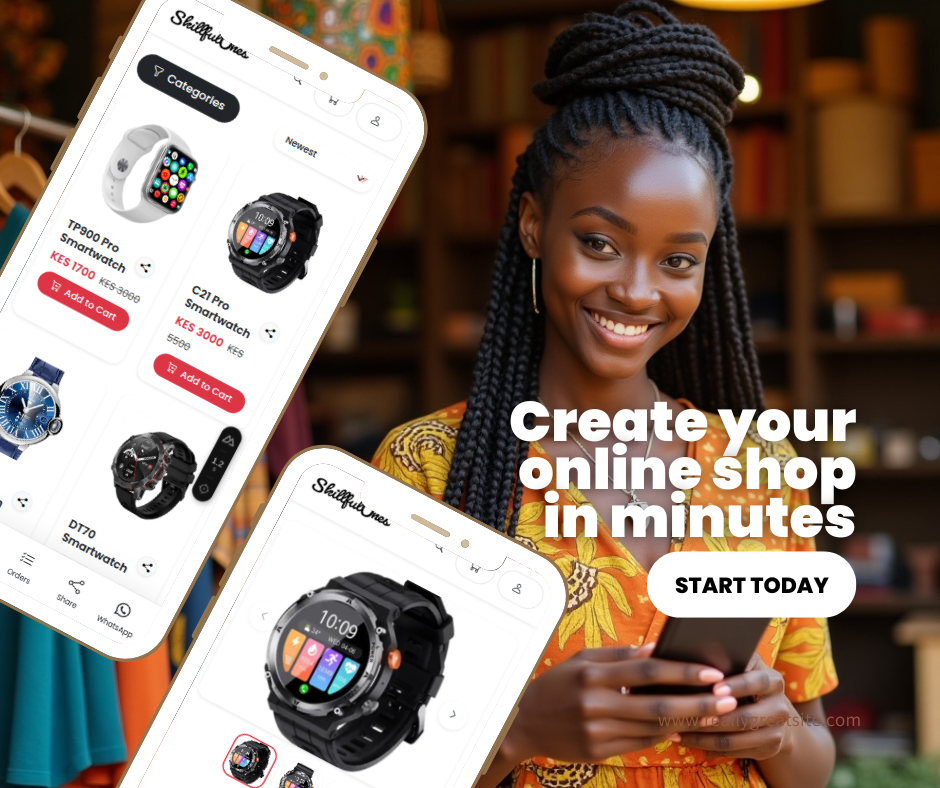
The M-Pesa Moment for Kenyan Ecommerce Is Here — And It Looks Like NeoMali
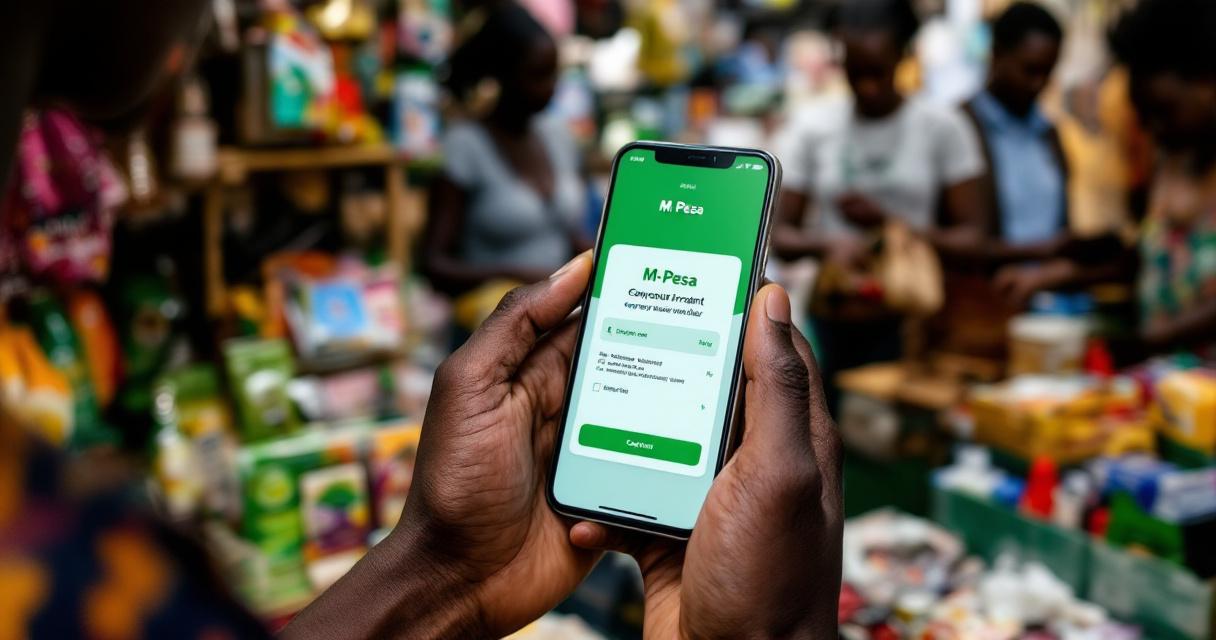
Kenya has the most sophisticated mobile money ecosystem on Earth. More than 91% of Kenyan adults use M-Pesa. The country pioneered digital payments before the rest of the world even understood what was coming. And yet — when a Kenyan wants to sell something online, the default still involves sending Till numbers via WhatsApp and hoping the customer does not forget to send a screenshot.
That gap — the one between world-class payments infrastructure and a frustrating, manual selling experience — is exactly what NeoMali exists to close. And the timing could not be better.
Kenya Skipped the Ecommerce Infrastructure Layer
When M-Pesa launched in 2007, it solved a real problem: sending money across distances without a bank account. It worked because Safaricom built the infrastructure and made it dead simple. No forms. No waiting. Just phone-based money movement that anyone could use.
The ecommerce equivalent never arrived. Kenyan sellers who wanted to operate online had to piece together workarounds — WhatsApp catalogs, Instagram DMs, manual screenshots, and a hope that customers would follow through. Meanwhile, the underlying payment rails — M-Pesa — sat ready and underutilized, waiting for a selling layer to be built on top.
NeoMali is that layer. It connects the M-Pesa STK Push that Kenyan customers already trust to an online store that sells itself, 24 hours a day, 7 days a week.
The M-Pesa Comparison Is Not a Metaphor — It Is a Template
When we say NeoMali is what M-Pesa is to mobile money, we mean it literally. M-Pesa did not just improve banking — it made financial services accessible to people who had been excluded from the formal banking system. NeoMali is making professional ecommerce accessible to Kenyan sellers who have been excluded from the formal digital economy.
Before M-Pesa, sending money required a bank account, a branch visit, and patience. Before NeoMali, running a professional online shop required technical skills, a developer, and a monthly subscription to a foreign platform that was not designed for Kenyan realities.
Neither should require any of that. M-Pesa proved it. NeoMali is proving it for ecommerce.
What Changes When the Infrastructure Arrives
The moment M-Pesa became widespread, entire new business models emerged that were not possible before. Vendors could collect payment before delivering goods. Freelancers could receive payment from clients across the country in seconds. Family support networks became financial networks. The infrastructure enabled behaviours that had not been imagined.
The same is about to happen with NeoMali. When every Kenyan seller has an instant M-Pesa-enabled online shop running from their phone, new patterns will emerge. The 11 PM sale that currently dies because the seller is asleep will be captured automatically. The customer who saw an Instagram post and wanted to buy but could not find the seller will find a working checkout instead of a DM. The shop owner who cannot leave their physical duka because no system tracks what is selling will finally have visibility.
Stop Waiting for the Ecommerce Moment — It Is Already Here
Kenyan sellers have been patient. They have watched the global ecommerce conversation happen elsewhere — in markets with credit card infrastructure, PayPal ecosystems, and Stripe integrations that do not map to how Kenya actually moves money. They adapted as best they could, using what they had.
What they were waiting for was someone to build for them. Not a foreign SaaS tool repurposed for Kenya. Not a workaround held together with screenshots and hope. Actual infrastructure — M-Pesa-powered, Kenyan-built, designed for how Kenyan sellers actually operate.
That is NeoMali. The M-Pesa moment for Kenyan ecommerce is not coming. It is here. It looks like a Kenyan seller waking up to confirmed orders they did not have to chase. It looks like a duka commander who finally trusts their numbers from anywhere. It looks like what Kenya already paid for with M-Pesa — finally getting the selling layer it deserves.