The M-Pesa Moment for Kenyan Ecommerce Is Here — and It Looks Like NeoMali
Kenya built the world's most sophisticated mobile money system. M-Pesa let millions send money instantly, pay bills, and access credit — all from a feature phone. But when it came to selling? Kenyan entrepreneurs were still screenshotting payment confirmations and texting "Nimetuma" to group chats. That gap is now closing. The M-Pesa moment for Kenyan ecommerce is here — and it looks like NeoMali.
How M-Pesa Changed Everything Except How Kenyans Sell
In 2007, Safaricom launched M-Pesa and quietly rewrote the rules of African finance. Within years, sending money became as casual as sending an SMS. Kenyan market vendors, taxi drivers, and side-hustlers stopped carrying cash. M-Pesa was not just a product — it was infrastructure. It became the default way Kenya moves money.
But payments are only half of commerce. While M-Pesa solved the checkout, it did not build the shop. Kenyan sellers still relied on WhatsApp groups, Instagram DMs, and manual Till number confirmations. Every sale required a human to chase a screenshot, type a response, and manually track inventory on paper or memory.
The result: a generation of talented Kenyan entrepreneurs spending 4+ hours daily on work that should take 4 minutes.
What the M-Pesa Moment Actually Looks Like for Selling
The M-Pesa moment arrives when selling online becomes as natural as sending money. When a customer asks for a price, the seller sends a link. The customer pays. The seller gets an SMS confirmation. No screenshots. No "I have sent." No manual tracking.
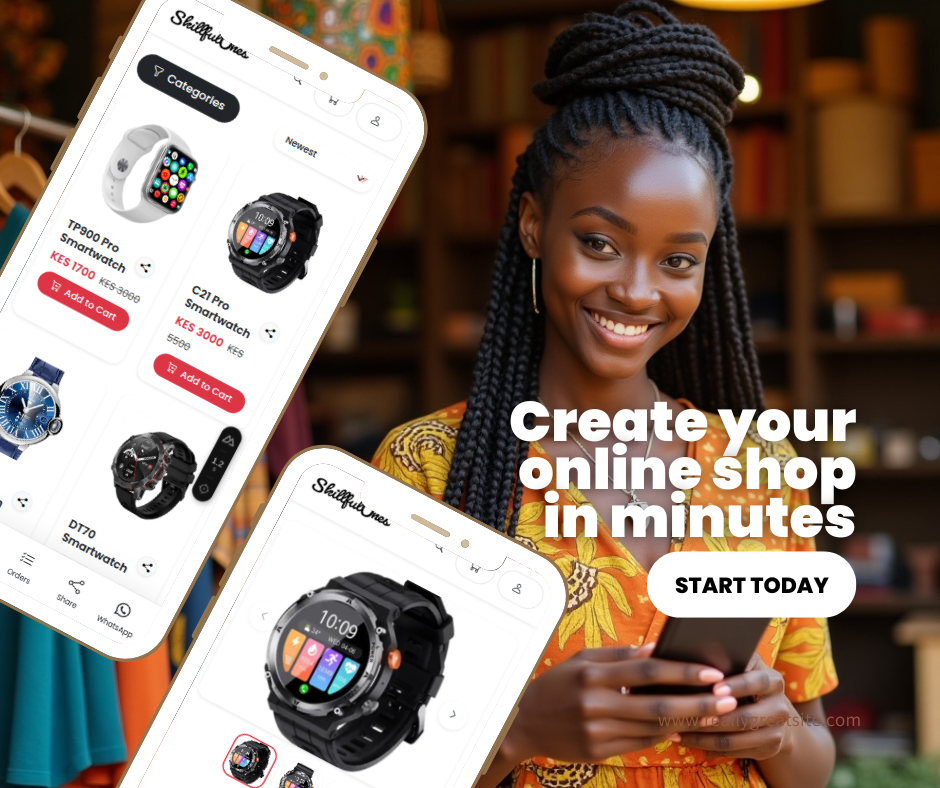
This is exactly what NeoMali built. NeoMali GO gives every Kenyan seller — whether they are a hustler on Instagram or a duka commander with a physical shop — a professional online store with M-Pesa STK Push checkout. No credit card required. No coding needed. Five-minute setup.
For the first time, a seller in Eastleigh can have the same digital infrastructure as a chain retailer — without the chain retailer price tag.
The Infrastructure Kenya Already Paid For
Kenya built M-Pesa. The country paid for it with usage fees, with trust, with millions of daily transactions. That trust and that infrastructure already exist. NeoMali did not rebuild payments — it plugged into what was already there.
Just like M-Pesa did not invent mobile phones but made them indispensable for finance, NeoMali is not building a new internet. It is making the internet indispensable for Kenyan retail — specifically for the 99% of Kenyan sellers who cannot afford a developer, a warehouse, or an IT department.
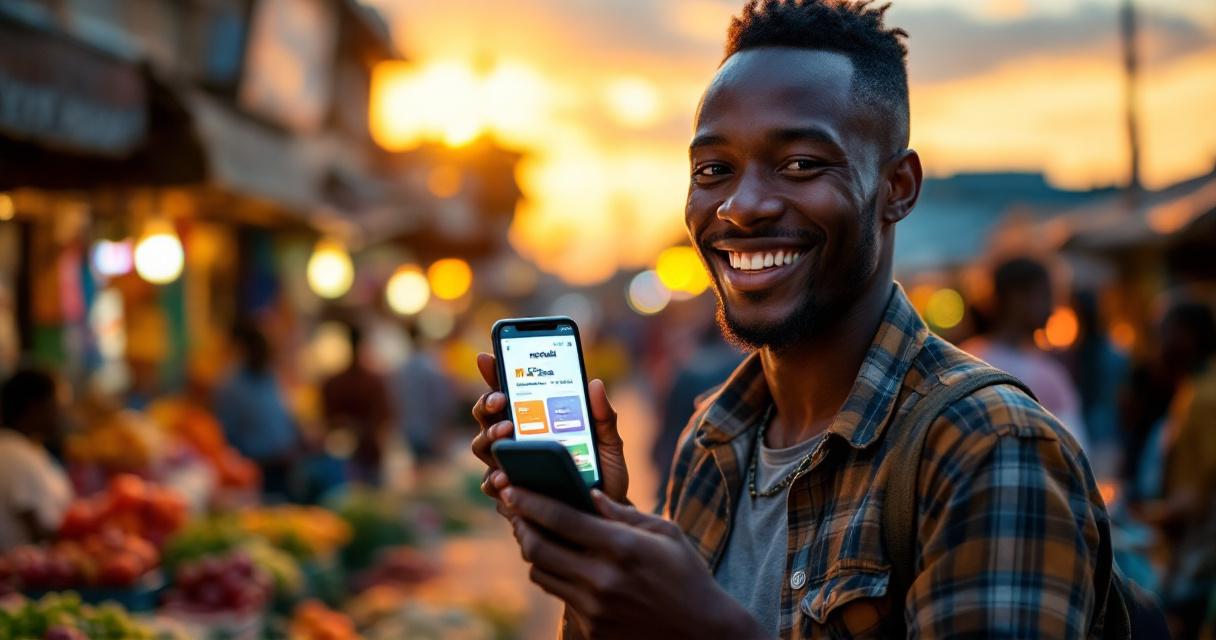
The M-Pesa moment for selling is not coming. It is already here. It looks like a young Kenyan in Kasarani who wakes up to three order confirmations that came in while they slept. It looks like a duka owner in CBD who knows exactly what sold today without standing at the counter. It looks like NeoMali.
The Category Default
M-Pesa is not "a mobile money option." It is mobile money in Kenya. There is no meaningful competitor in the same category. NeoMali is building the same positioning for Kenyan ecommerce: not "an online shop option" but the obvious, default way Kenyan sellers sell online.
That is what brand establishment month is about. Not competing for attention — becoming the category. When a Kenyan seller thinks "online shop," they should think NeoMali the same way they think M-Pesa when they think "send money."
The infrastructure is ready. The trust is there. The seller pain is real. NeoMali is the product that was always going to exist once Kenya had M-Pesa.