The M-Pesa Moment for Kenyan Ecommerce Is Here — and It Looks Like NeoMali
Kenya built the world’s most advanced mobile money system. M-Pesa let millions send money instantly, pay bills, and access financial services without a bank account. But when it came to selling goods and services online, Kenyan entrepreneurs were still stuck — relying on WhatsApp chats, Instagram DMs, and manual Till number confirmations. That gap is now closing. The M-Pesa moment for Kenyan ecommerce has arrived, and it looks like NeoMali.
What Made M-Pesa Legendary Was Simplicity
In 2007, Safaricom launched M-Pesa and changed Kenya forever. Before it, sending money meant physical cash, bank queues, or unreliable informal networks. M-Pesa turned a phone into a wallet. It removed friction so completely that even market vendors in Gikomba use Till numbers today. The key insight was simple: make the experience simpler than the problem it solved.
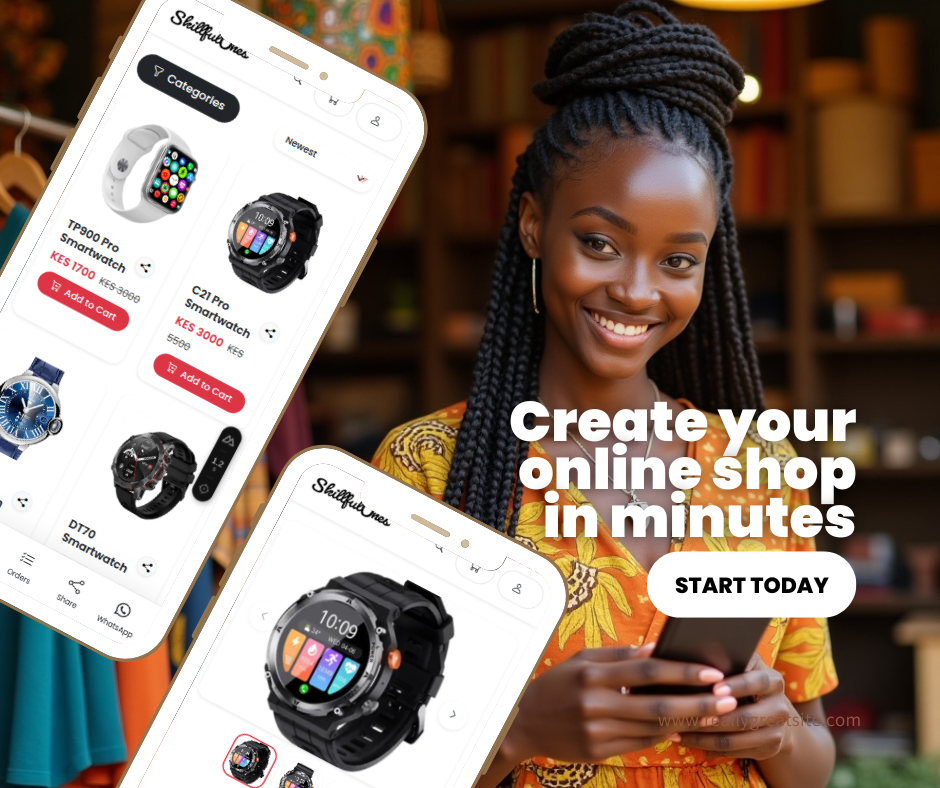
NeoMali applies the same thinking to selling. While payments became digital, the actual act of selling — taking orders, confirming stock, collecting money, arranging delivery — remained stubbornly manual for most Kenyan retailers. NeoMali bridges that gap with a plug-and-play toolkit that turns a phone into a complete selling system.
The Gap M-Pesa Created But Did Not Fill
M-Pesa solved the payment problem. But Kenyan sellers still face a fragmented process: Instagram for marketing, WhatsApp for negotiation, manual Till entries for payment, and separate systems for delivery coordination. A sale that should take 30 seconds often takes 30 minutes of back-and-forth. The seller loses time. The customer loses patience. Orders slip through the cracks.
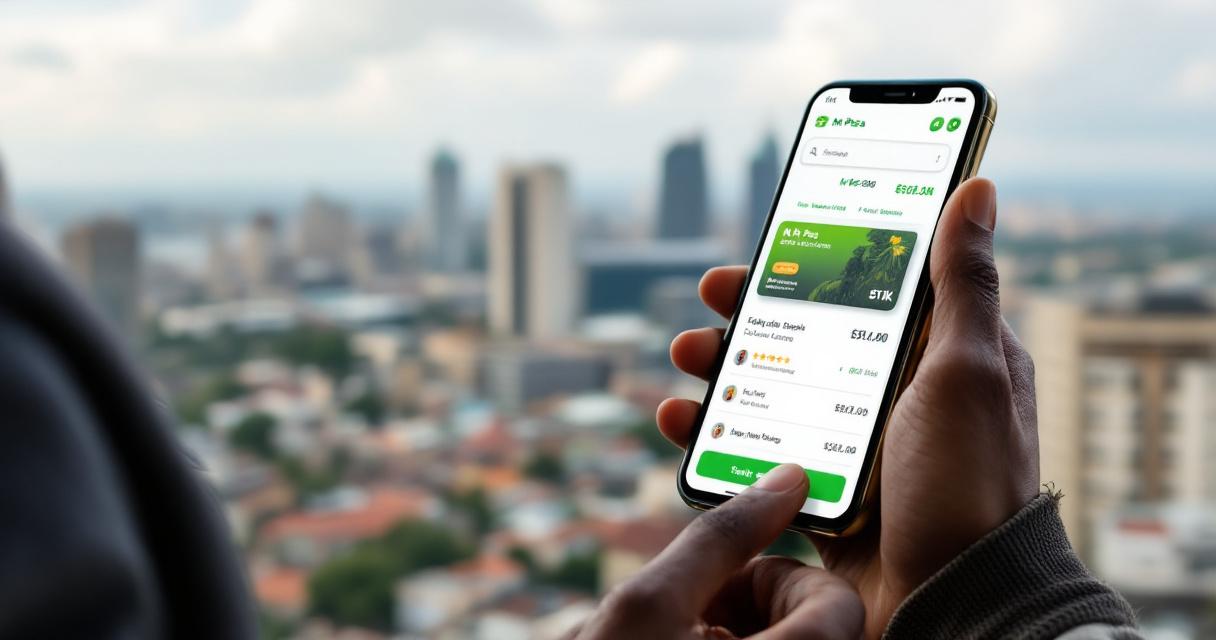
This is not a technology problem. Kenya has the infrastructure. The issue is integration. NeoMali connects Instagram, WhatsApp, and TikTok directly to an automated M-Pesa STK Push checkout. A customer sees a product, taps to buy, enters their PIN, and the seller receives a payment confirmation — all without a single chat message.
Why This Moment Is Different
Previous attempts at ecommerce in Kenya required technical skills, monthly fees, or credit card infrastructure that most SME sellers do not have. NeoMali requires no credit card to start, no coding knowledge, and no large upfront investment. Setup takes five minutes. The cost is Ksh 1,500 per month for the GO plan — less than most sellers spend on airtime chasing payment confirmations.
For the Duka Commander running a physical shop, NeoMali PRO-DUKA adds real-time inventory sync, mobile POS on staff phones, and a remote oversight dashboard. For the Digital Hustler selling purely online, NeoMali GO provides a professional store link, automated order alerts, and 24/7 M-Pesa checkout. Both share the same principle that made M-Pesa work: remove friction until the obvious choice becomes the default.
Stop Hustling, Start Operating
The Kenyan seller who runs their business through WhatsApp groups is not unprofessional — they are operating with 2007 tools in 2026. The shift from “hustling” to “operating” is not about ambition. It is about infrastructure. M-Pesa gave Kenya the payment rails. NeoMali is building the selling infrastructure that was always supposed to ride on top of them.
Just as no Kenyan would go back to carrying cash for cross-country remittances, no seller who experiences NeoMali will go back to chasing screenshots. The M-Pesa moment for ecommerce is not coming. It is here. And it is green.