Local Tool Lets Online Fashion Sellers Accept M-Pesa Without Manual Follow-Ups
A Kenyan-built digital commerce tool has launched with the aim of helping online fashion sellers accept M-Pesa payments without relying on manual confirmations and extended follow-ups through direct messages.

A Kenyan-built digital commerce tool has launched with the aim of helping online fashion sellers accept M-Pesa payments without relying on manual confirmations and extended follow-ups through direct messages. The platform targets sellers who use Instagram and WhatsApp as their primary sales channels and are looking for a more structured way to handle orders and payments.
The tool, called Neomali, is designed to support small fashion businesses that promote products on social media but manage transactions informally. Instead of requesting payments through chat and matching them to screenshots or message alerts, sellers can share a single link that allows customers to place an order and complete payment in one flow.
Manual payments remain a common challenge
Instagram and WhatsApp have become central to fashion retail in Kenya, particularly for clothing, footwear, thrift items, and custom-made apparel. Sellers typically post items on Instagram, respond to inquiries on WhatsApp, and request payment via M-Pesa once a buyer confirms interest. While this approach has enabled many entrepreneurs to start selling with minimal setup, it often becomes difficult to manage as order volumes increase.
Fashion sellers frequently report spending hours confirming whether payments have been made, scrolling through M-Pesa messages to match transactions with customers, and following up with buyers who delay payment. In busy periods, such as flash sales or new stock drops, missed confirmations and duplicate inquiries are common. These issues can slow down order fulfillment and create uncertainty for both sellers and buyers.
Observers of the social commerce space note that while M-Pesa has made digital payments widely accessible, the surrounding processes for managing online orders remain largely manual for small businesses. This gap has led to a growing interest in tools that simplify payment tracking without requiring sellers to move away from platforms where their audiences already exist.
How the platform works
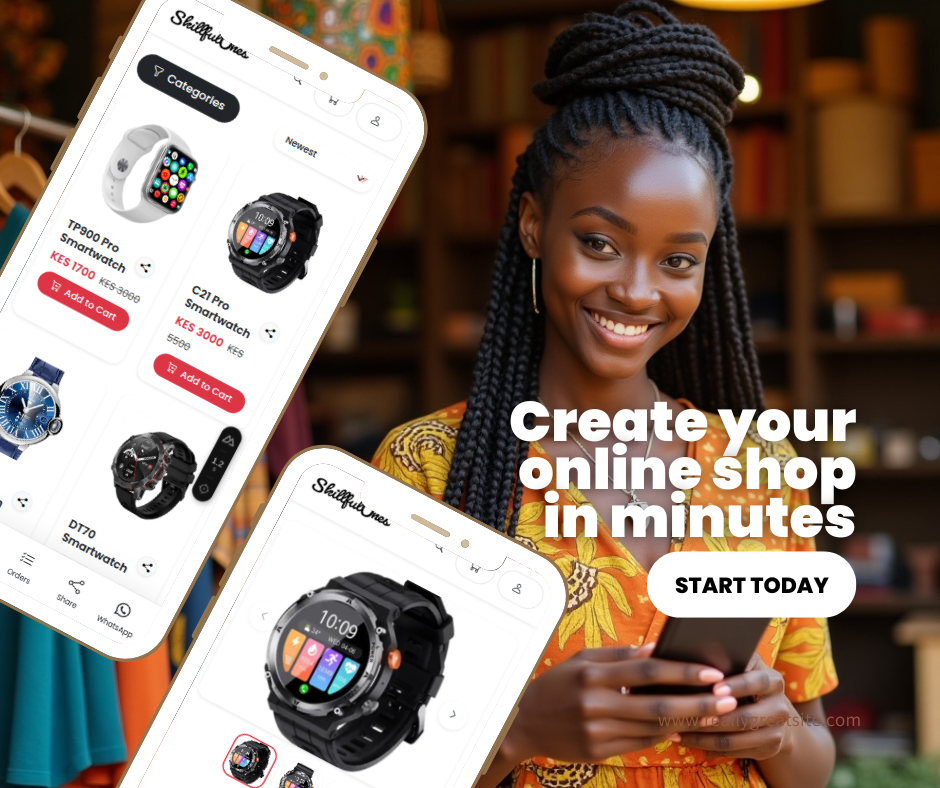
Neomali operates as a lightweight checkout layer rather than a full e-commerce website. Sellers upload their products, set prices, and generate a shop link that can be shared on Instagram bios or sent directly to customers on WhatsApp. When a buyer opens the link, they can view available items, select what they want, and proceed to payment.
Payments are completed using standard M-Pesa processes, with transaction details reflected alongside the order information in the seller’s dashboard. This allows sellers to see which orders have been paid for without manually comparing chat messages and payment notifications. The platform also provides basic order and payment records that sellers can reference later.
According to the company, the tool is intended to reduce the need for repeated follow-ups after a customer has already decided to buy. Sellers continue to market and communicate with customers on social media, but the final steps of ordering and payment are handled through a single checkout link.
Why this matters for fashion and social commerce
Kenya’s fashion sector has grown alongside the expansion of social media usage, particularly among young entrepreneurs. Instagram and TikTok drive product discovery, while WhatsApp remains the primary channel for closing sales. M-Pesa underpins most transactions due to its convenience and widespread acceptance.
However, the lack of integrated checkout systems has limited how efficiently many fashion sellers operate. As businesses grow, managing payments through chats can consume time that would otherwise be spent on customer engagement, content creation, or sourcing new stock. Some sellers address this by limiting order volumes or delaying responses, which can affect sales momentum.
Tools like Neomali reflect a broader shift toward practical digital infrastructure tailored to informal and semi-formal businesses. Rather than adopting complex online stores or joining large marketplaces, sellers are increasingly looking for focused solutions that fit into their existing workflows. In the fashion space, where product turnover can be fast and customer decisions are often impulse-driven, reducing friction at the payment stage can be particularly important.
What sellers can do next
For online fashion sellers who currently rely on manual payment confirmations, the availability of such tools offers an alternative approach. By using shared checkout links, sellers may be able to reduce time spent on follow-ups and maintain clearer records of paid orders.
Neomali is available to Kenyan sellers and can be set up without technical expertise. As social commerce continues to shape how fashion is bought and sold in the country, tools that streamline M-Pesa payments while working alongside Instagram and WhatsApp are likely to play a growing role.
While these platforms do not eliminate all operational challenges faced by small fashion businesses, they highlight ongoing efforts to adapt payment and order management processes to the realities of Kenya’s social media–driven retail environment.