
KRA Nabs 97,000 Untaxed Kenyans: What It Means for Every Small Retailer
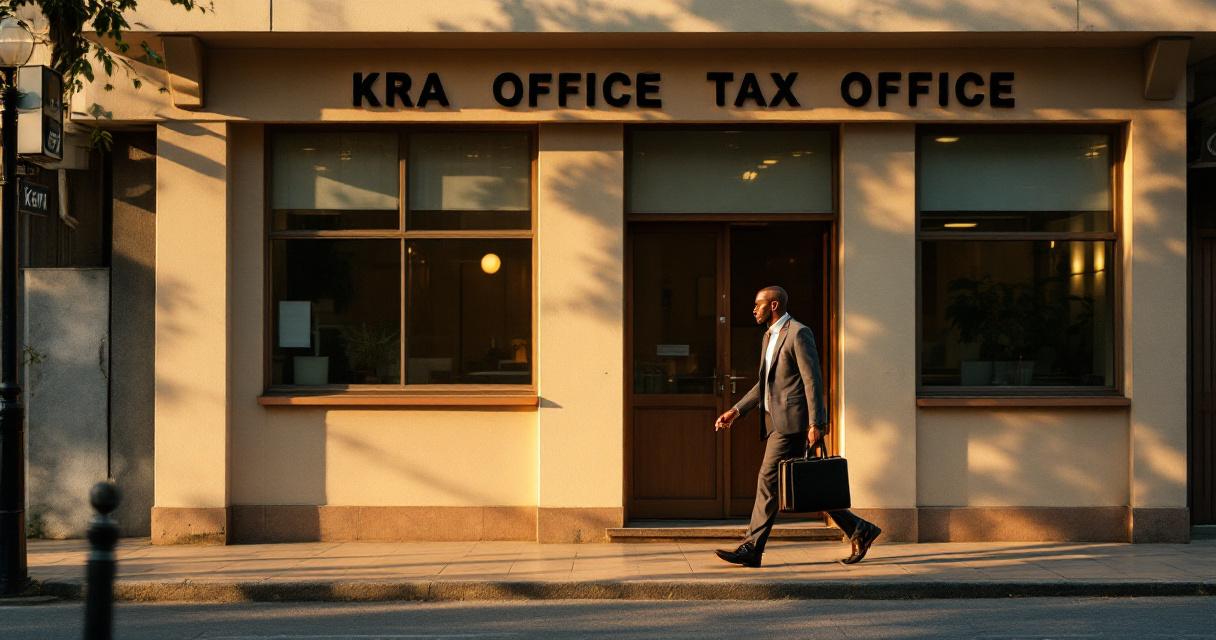
KRA Nabs 97,000 Untaxed Kenyans: What It Means for Every Small Retailer
The taxman is widening its net. Here is what yesterday's news means for how you operate your business.
On Wednesday, news broke that KRA has identified 97,000 Kenyans who have been earning billions of shillings without ever paying tax. The agency also confirmed it netted KSh 7.8 billion from "hidden taxpayers" — people and businesses that were operating under the radar but have now been pulled into the system.
If you run a small retail business — whether a physical duka in Kawangware or an Instagram shop in Nairobi — this news is directly relevant to you. Here is what is happening and what it means for the way you do business.
What Actually Happened?
Two separate but related developments:
- KRA identified 97,000 individuals who have been earning significant income through M-Pesa, bank accounts, and property transactions but have zero tax history. These are not small-time earners — KRA specifically targeted people moving substantial money through the financial system without corresponding tax records.
- KRA netted KSh 7.8 billion from its broader effort to bring informal earners into the tax net. This is money that was previously circulating entirely outside the tax system.
The message is clear: KRA has the data, and it is now actively using it.
Sources: Business Daily Africa (May 19, 2026) and Money254 (May 20, 2026)
Why This Matters for Small Retailers
Kenya's informal retail sector is massive — over 3 million businesses operating mostly off the formal grid. For years, many retailers have operated with the assumption that they are too small for KRA to notice. That assumption is becoming increasingly dangerous.
Here is what is changing:
- M-Pesa data is now actively monitored. KRA has access to transaction data. If your M-Pesa shows consistent business-sized inflows — say KSh 200,000+ per month — and you have no tax records, you are visible.
- The threshold is dropping. KRA is not just targeting millionaires. The agency has signaled it wants to bring in the "missing middle" — thousands of small but significant earners who have simply never registered.
- Bank deposits are under scrutiny. Recent court rulings have affirmed KRA's power to tax unexplained bank deposits. If your personal account shows business income, you are exposed.
What Should You Do? (Practical Steps)
This is not a panic moment. It is an awareness moment. Here are three practical things every small retailer should do:
1. Know What KRA Can See
KRA can see M-Pesa transactions exceeding certain thresholds, bank deposits, property purchases, and vehicle registrations. If you deposit KSh 100,000+ into your M-Pesa or bank account monthly from business, assume it is visible. This is not a reason to stop transacting — it is a reason to be prepared.
2. Start Separating Business from Personal
The single biggest mistake most informal retailers make is mixing business and personal money. If KRA audits you, they will see everything — business income and personal expenses — in the same account. Opening a separate M-Pesa for business is the easiest first step. It costs nothing and immediately creates a cleaner record.
3. Understand the KRA Kipawa Program
KRA has a specific program targeting small businesses called "Kipawa" — designed to bring informal traders into the tax net gradually, not punitively. Under this program, very small businesses can pay a simplified, lower tax rate. The key is to register before you are found, not after.
The Bottom Line for Retailers
KRA has the data, the legal authority, and the political will. The informal sector's days of operating entirely off the books are numbered. But "formalizing" does not mean paying huge taxes — it means being registered, keeping basic records, and paying what is fair.
For most small retailers, the real cost of staying informal is not the tax they would pay — it is the inability to access credit, open business accounts, or scale. The retailers who start preparing now — even if it is just keeping a simple record of monthly sales — will be ahead of the curve when the system catches up.
Start this week: count your total sales for one month. Write it down. That single step puts you ahead of most informal retailers in Kenya.