
Kenya Paralysed by Deadly Fuel Protests — What It Means for Retailers
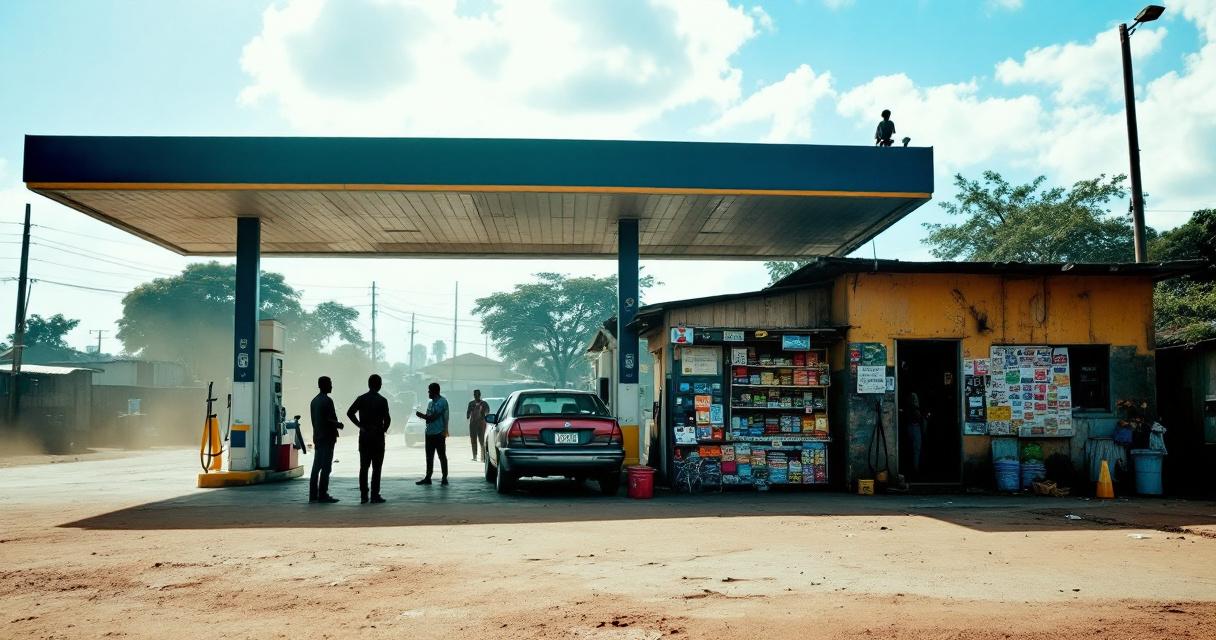
Kenya Paralysed by Deadly Fuel Protests — What It Means for Retailers
At least four people have been killed and 30 others injured in protests across Kenya over rising fuel costs, which have now spilled into a second day with strikes paralysing major urban centres. For the small retailer watching from behind the counter, this is not just a news story — it is a direct disruption to how you operate, supply, and sell.
What Happened?
On Monday and Tuesday, protests erupted across Kenya in response to the latest fuel price increases announced by the Energy and Petroleum Regulatory Authority (EPRA). The protests, which began peacefully, turned deadly on Monday evening. By Wednesday morning, major routes in Nairobi, Mombasa, Kisumu, and other cities were blocked, with businesses shuttered and public transport disrupted.
What This Means for Your Duka Right Now
Supply chain disruption
If you rely on goods delivered from wholesale markets, expect delays. Trucking routes through protest areas are either blocked or dangerous. Contact your suppliers today to ask about delivery schedules. If you can, stock up on essentials while routes are still accessible.
Reduced foot traffic
When roads are blocked and public transport is disrupted, customers cannot reach your shop. If you operate a physical duka, expect a quiet few days. This is the time to focus on digital orders if you have them — WhatsApp, Instagram, or a shop link.
Cash flow pressure
A few days of reduced sales can create a cash flow gap that takes weeks to recover from. If you have upcoming supplier payments or rent due, call them now and explain the situation. Most suppliers understand disruption — the key is communicating before they call you.
Pricing decisions
Fuel at KSh 200+ per litre means your transport costs have gone up, which means your goods cost more to bring in. Do not absorb the cost until you break. Adjust your prices to reflect the new reality, but do it with a clear explanation to your customers — "Fuel has gone up, so our delivery costs have increased" is honest and understandable.
What the Protests Tell Us About the Bigger Picture
Fuel prices in Kenya have been climbing steadily, with the latest EPRA adjustment pushing prices past KSh 200 per litre in some areas. This is not a one-off spike. Analysts point to the ongoing Iran conflict and global crude volatility as structural pressures that are unlikely to ease quickly.
For Kenyan retailers, this means higher operating costs are the new normal — at least for now. The businesses that will weather this period are the ones that adjust their pricing, tighten their inventory, and protect their cash flow proactively rather than reactively.
Three Things to Do Today
- Call your suppliers. Confirm whether deliveries are still running. If not, ask when they expect to resume and what stock you should prioritise.
- Check your cash position. Count what you have in the drawer and M-Pesa. If you have less than a week of operating expenses, consider pausing any non-essential spending until the situation stabilises.
- Communicate with your customers. If your shop is closed or your delivery times are affected, post an update on your WhatsApp status and Instagram stories. Customers appreciate knowing what is happening — silence frustrates them more than bad news.