
Kenya Fuel Price Protests: What the Unrest Means for Small Retailers
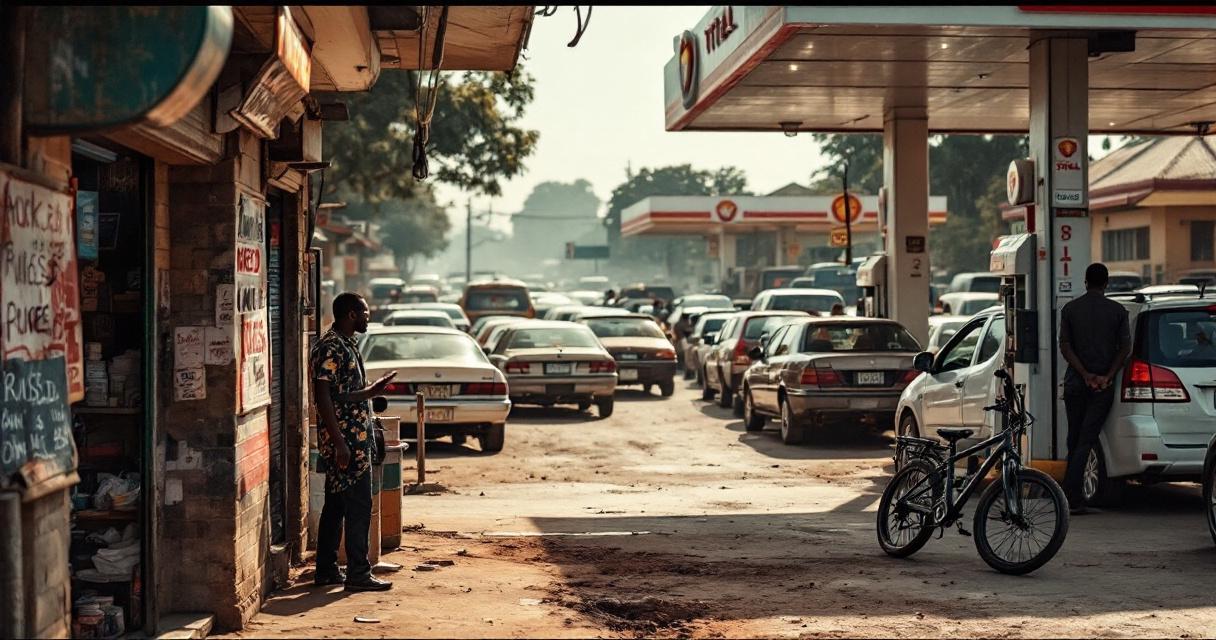
What Kenya's Fuel Price Protests Mean for Small Retailers
On Monday, May 18, fuel price protests swept across several Kenyan towns and cities. Reports confirm four people killed and at least thirty injured in clashes between protesters and police. The unrest follows the latest fuel price hike, which pushed petrol above KSh 200 per litre in Nairobi and higher in upcountry towns.
For retail businesses — whether you run a duka in Kawangware or sell fashion on Instagram from Mombasa — these protests are not just a news headline. They affect your costs, your supply chain, and your customers' spending power. Here is what is happening and what it means for your business.
Why Are Fuel Prices So High Right Now?
Kenya's fuel prices have climbed steadily through 2025 and into early 2026. The government removed fuel subsidies in late 2024 as part of IMF-backed fiscal reforms. Since then, global crude oil volatility — worsened by tensions in the Middle East — has pushed pump prices past KSh 200 for the first time.
The Energy and Petroleum Regulatory Authority (EPRA) reviews prices on the 14th and 15th of each month. Each review has brought increases, and the cumulative effect is now being felt on the streets.
How Fuel Prices Hit Your Duka or Online Business
Higher fuel costs do not just mean paying more at the pump for your car or boda boda. They ripple through every part of the retail supply chain:
- Stock costs go up. Your suppliers pay more to transport goods from Mombasa port to Nairobi, and from Nairobi to your town. Those costs end up in your wholesale price. If you sell vegetables, bread, or packaged goods, you will see the difference within a week.
- Delivery becomes more expensive. If you offer free delivery on WhatsApp orders, you are now absorbing higher transport costs. A boda boda rider who charged KES 100 for a drop last month may now ask for KES 150.
- Customers have less to spend. When households spend more on transport — matatu fares have gone up, private car owners fill their tanks at KES 6,000+ — they have less money left for retail purchases. Your evening sales may drop.
- Operational costs rise. If you run a duka with a fridge for sodas or cold water, your electricity bill may also increase if fuel costs affect power generation tariffs.
What Should You Do as a Small Retailer?
You cannot control fuel prices or prevent protests. But you can prepare your business to absorb some of the shock:
- Review your pricing now. If your costs have gone up but your prices have not changed, your margin is shrinking. Calculate your actual cost per item including transport, and adjust prices before you start losing money on each sale.
- Negotiate delivery terms. If you offer free delivery, consider switching to a minimum-order threshold or a shared-cost model. Customers understand when you explain that fuel prices have made free delivery unsustainable.
- Buy smarter, not less. Instead of making small stock orders every two days — which means more delivery trips — consolidate into fewer, larger orders. You save on transport costs per unit.
- Keep cash reserves for disruption. If protests shut down streets or markets, you may not be able to restock for a day or two. Having a small cash buffer helps you ride out these interruptions without panic.
The Bigger Picture
Fuel price protests are not new in Kenya — we saw similar unrest in July 2024 and March 2023. What is different this time is the cumulative pressure on households. Fuel above KSh 200, combined with higher food costs and the lingering effects of last year's drought in some regions, means the average Kenyan consumer has less buying power than they did a year ago.
For small retailers, this is not a time to expand aggressively. It is a time to protect margins, tighten operations, and hold cash. The businesses that manage their costs best during periods like this come out stronger when conditions improve.