
Fuel Hits KSh 200: What the Latest Price Hike Means for Kenyan Retailers
Fuel Hits KSh 200: What the Latest Price Hike Means for Kenyan Retailers
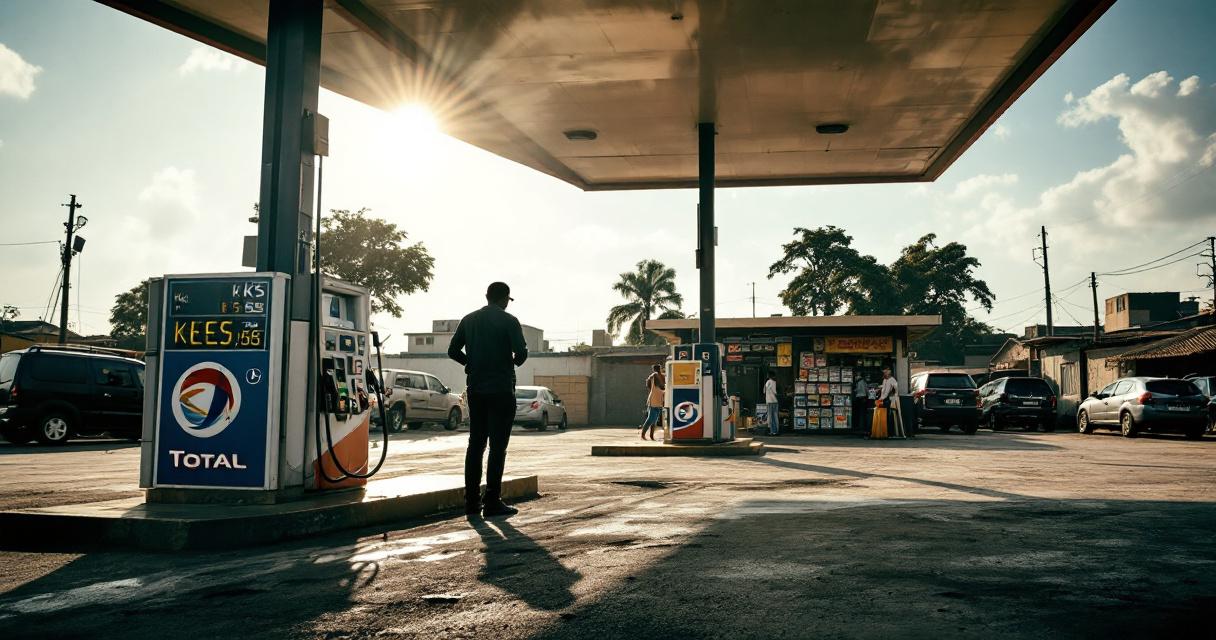
The Energy and Petroleum Regulatory Authority (EPRA) has announced sharp increases in fuel prices for the May-June pricing cycle, pushing petrol past the KSh 200 per litre mark in Nairobi. Diesel and kerosene prices have also risen significantly.
According to reports from Arise News (May 15, 2026), the price hike follows escalating tensions in the Middle East that have tightened global crude supply and driven up international oil prices. This is the second significant increase in as many months, with the Iran conflict continuing to disrupt supply chains.
What the New Prices Look Like
In Nairobi, the new pump prices are approximately:
- Petrol: KSh 200+ per litre (up from KSh 195 previously)
- Diesel: KSh 185+ per litre
- Kerosene: KSh 175+ per litre
These are the highest levels seen since the previous round of increases triggered by the Iran conflict. For retailers outside Nairobi, the prices will be higher once transport costs are factored in.
How This Affects Your Business Today
Every Kenyan retailer is feeling this, whether you sell online or from a physical shop. Here is how the fuel hike hits your daily operations:
Stock Costs Go Up Immediately
If you buy stock from wholesalers in Nairobi’s industrial area, Eastleigh, or Mombasa Road, your suppliers are paying more for transport. Those costs get passed to you within the week. Expect price adjustments on everything from cooking oil and rice to electronics and clothing. Do not be surprised when your usual supplier quotes higher prices — they are not being greedy, their lorry just cost more to fill.
Delivery Costs Rise
If you offer delivery to customers, your boda boda or courier costs just went up. A trip that cost KSh 200 in fuel now costs KSh 210-215. That does not sound like much, but over 30 deliveries a month, it is KSh 300-450 extra. If you offer free delivery, your margin just shrank. If you charge delivery, your customers will feel the pinch too.
Customers Have Less Disposable Income
Your customers also buy fuel — for their cars, their mata tus, their boda bodas. When fuel costs rise, the KSh 500 they would have spent in your shop becomes KSh 500 they need for transport. Expect slower sales for the next two to three weeks while household budgets adjust. January-style slow days may show up in May.
What You Can Do About It
You cannot control fuel prices, but you can adjust your business to survive the squeeze.
- Review your prices now. Check your margins on every product. If your cost price went up, do not absorb it. Raise your selling prices. A small increase now is better than a cash flow crisis later.
- Negotiate with suppliers for bulk. If you can afford to buy more stock in one trip instead of multiple small trips, you save on transport. One big order costs less in fuel than three small ones.
- Communicate price changes honestly. Tell your regular customers: "Fuel prices went up, and my supplier raised their prices. I have adjusted by [amount]. I still give you the best quality." Most people understand when you are transparent.
- Watch your cash flow. With slower sales expected, keep a close eye on your working capital. Do not over-order. Keep cash for the essentials — restocking best-sellers and paying rent.
The Bigger Picture
The Iran conflict shows no signs of de-escalation, which means fuel prices are likely to stay elevated for the foreseeable future. Kenyan retailers need to factor this into their planning for the rest of 2026. This is not a temporary spike — it is the new normal until global supply chains stabilize.
The businesses that will survive this period are the ones that adjust quickly: raise prices early, communicate honestly with customers, and watch their costs like a hawk.